G-4RN0RY5W0Y G-4RN0RY5W0Y

FLY FISHING

Full-day Guided Fishing – $600

Includes: guide, shore lunch, all tackle & flies.

1/2 Day Guided Fishing – $500
Includes: guide, all tackle & flies. 

Lodge overnight- $125 per person
Includes breakfast.

* Currently we have two rooms in the main lodge and can accommodate two guests per room.
The guest house is coming soon.

Breakfast, lunch, and dinner at the Lodge – $100 per person.

It can be added to your stay, or if you prefer, you can dine at a local restaurant in town. Meals are prepared by our lodge chef using local field-to-table cuisine.

Fly Fishing in Bighorn River Thermopolis Wyoming 2 | Drake Guide Service

Guided Fly Fishing Thermopolis, Wyoming

Located along the world-renowned Bighorn River, Thermopolis offers one of the best year-round fly fishing experiences in the Rocky Mountain West. The river flows clear and cold from the base of Boysen Dam, creating a stable tailwater fishery that supports thriving populations of rainbow trout, brown trout, and cutthroat trout. With consistent temperatures and abundant insect life, the Bighorn River in Thermopolis is ideal for both experienced fly anglers and those new to the sport.

Prime Seasons

  • Spring (March – May): Trout feed heavily on Baetis, midges, and early caddis, making nymphing and dry fly fishing extremely productive.

  • Summer (June – August): Expect action on Yellow Sallies, PMDs, caddis, and hoppers. Terrestrial season is prime time for explosive topwater eats.

  • Fall (September – November): Cooler temperatures trigger aggressive feeding before winter, with strong Blue Wing Olive and midge hatches. Streamer fishing also heats up.

  • Winter (December – February): While colder, winter can still produce excellent fishing with small midges and nymph rigs, especially on sunny afternoons.

What to Use

Fly anglers on the Bighorn near Thermopolis typically fish 5- or 6-weight rods with floating lines for most conditions.

  • Nymph setups: Use midge larvae, Baetis nymphs, sow bugs, and scuds under indicators.

  • Dry fly fishing: Match the hatch with BWOs, PMDs, and caddis patterns.

  • Streamers: Olive, black, and white streamers produce big browns in deeper pools and along cutbanks.

Species You’ll Find

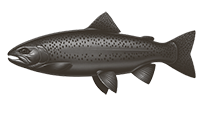
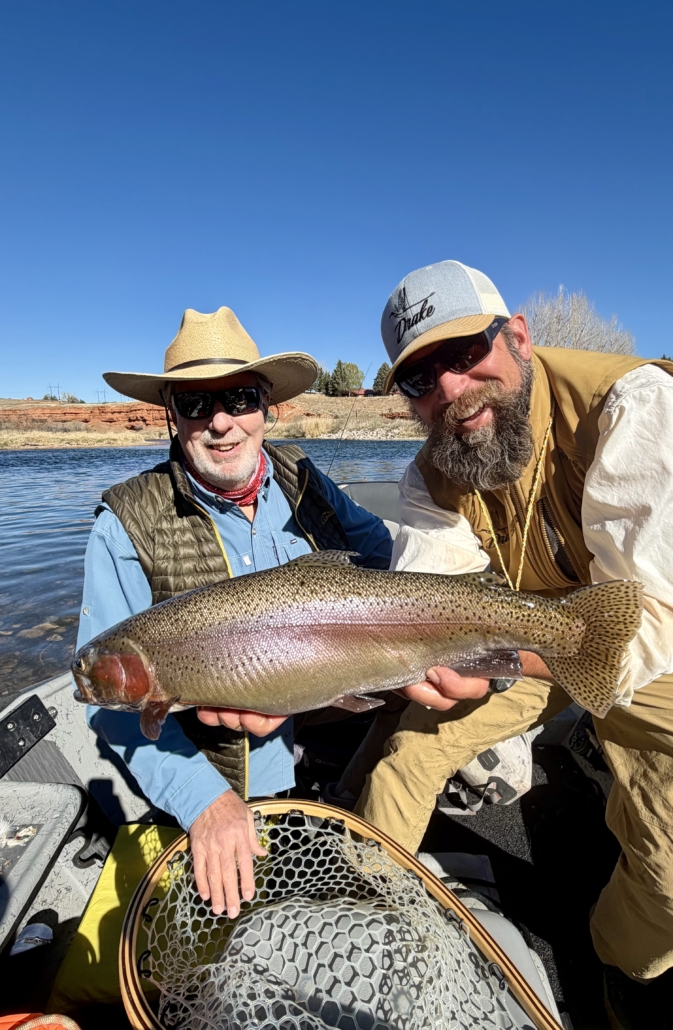
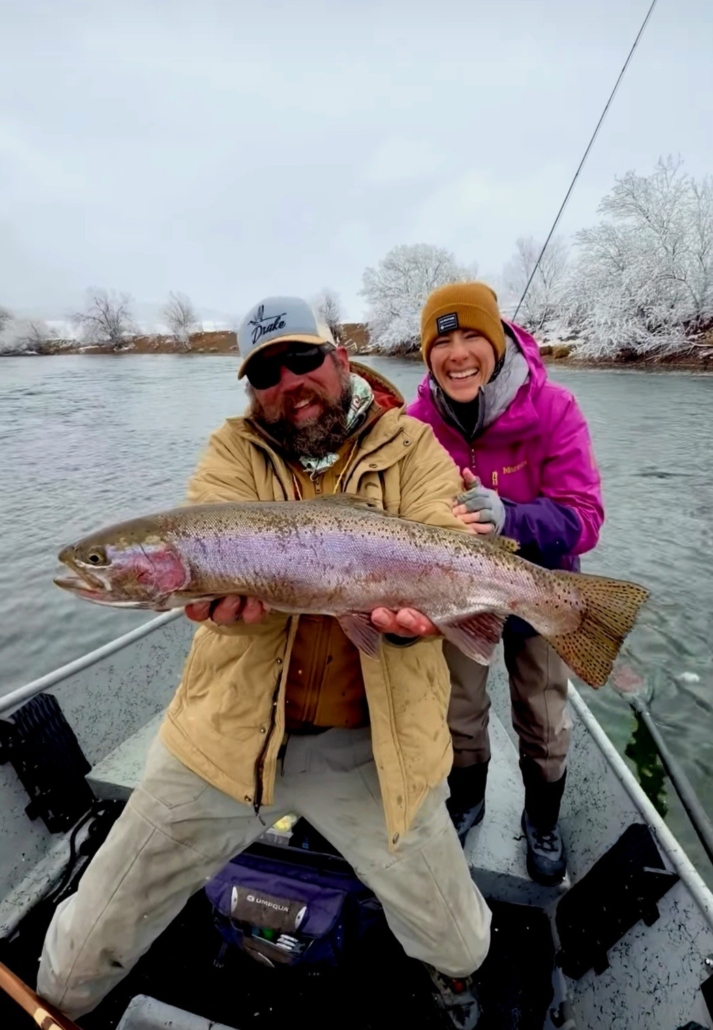
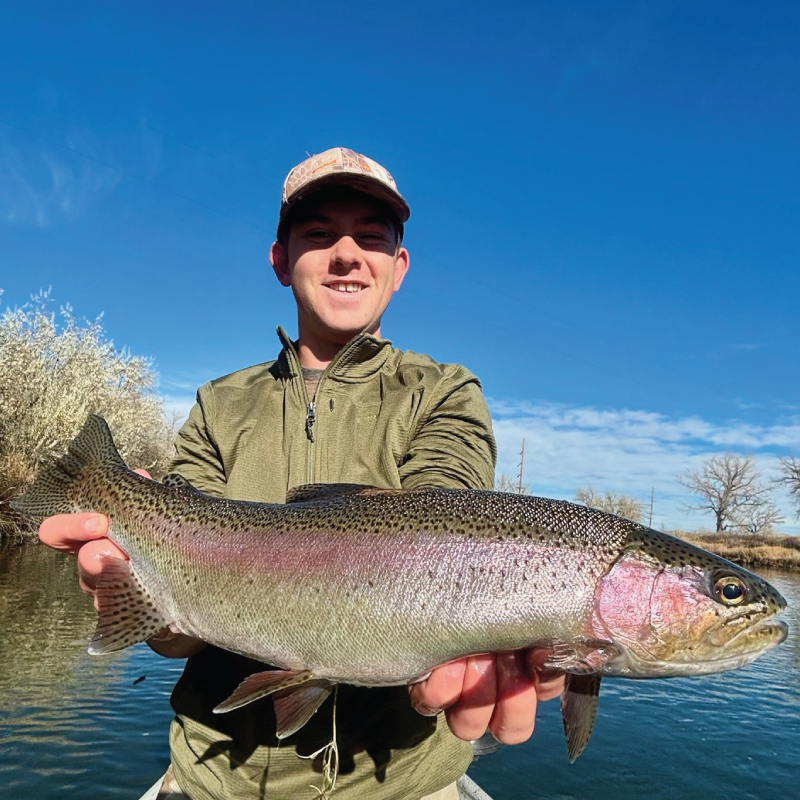
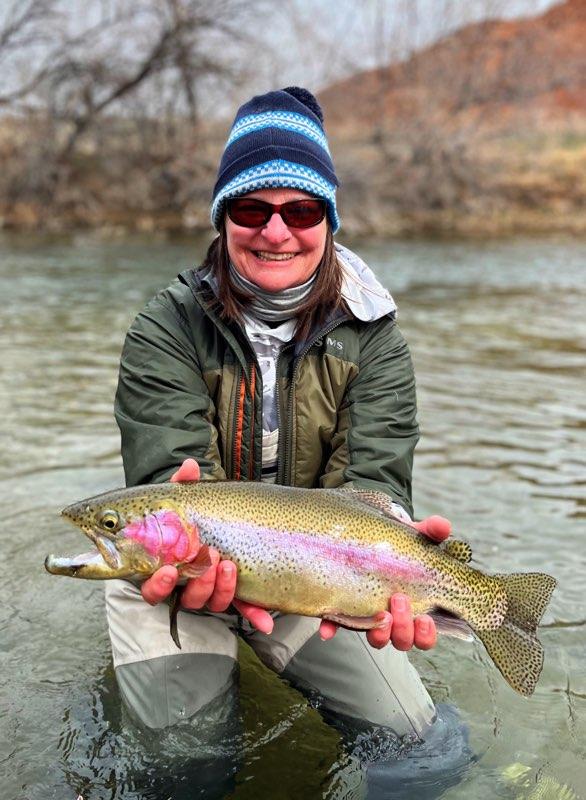
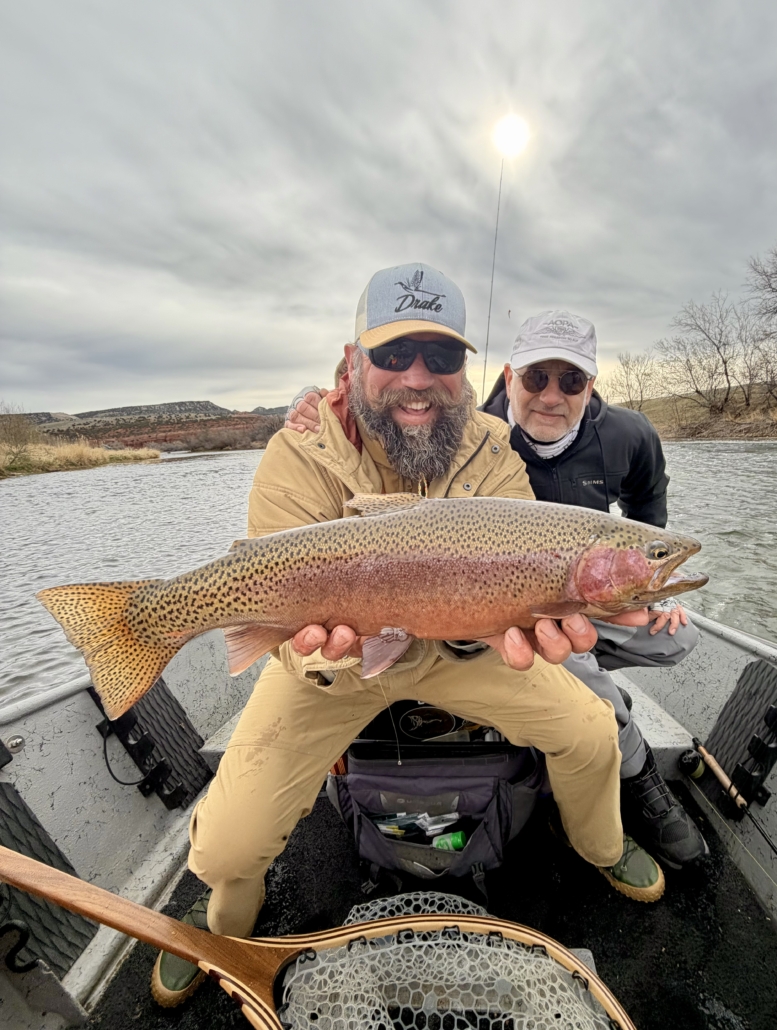
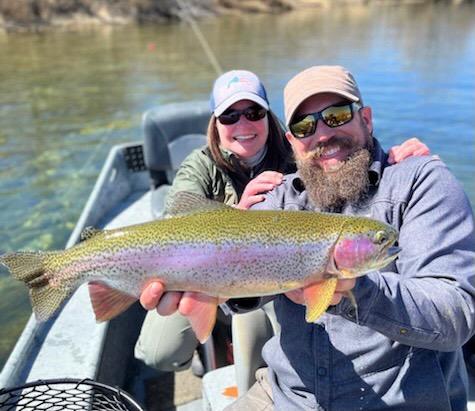
  • Rainbow Trout: The most abundant species, averaging 16–20 inches, with larger fish common in deeper runs.

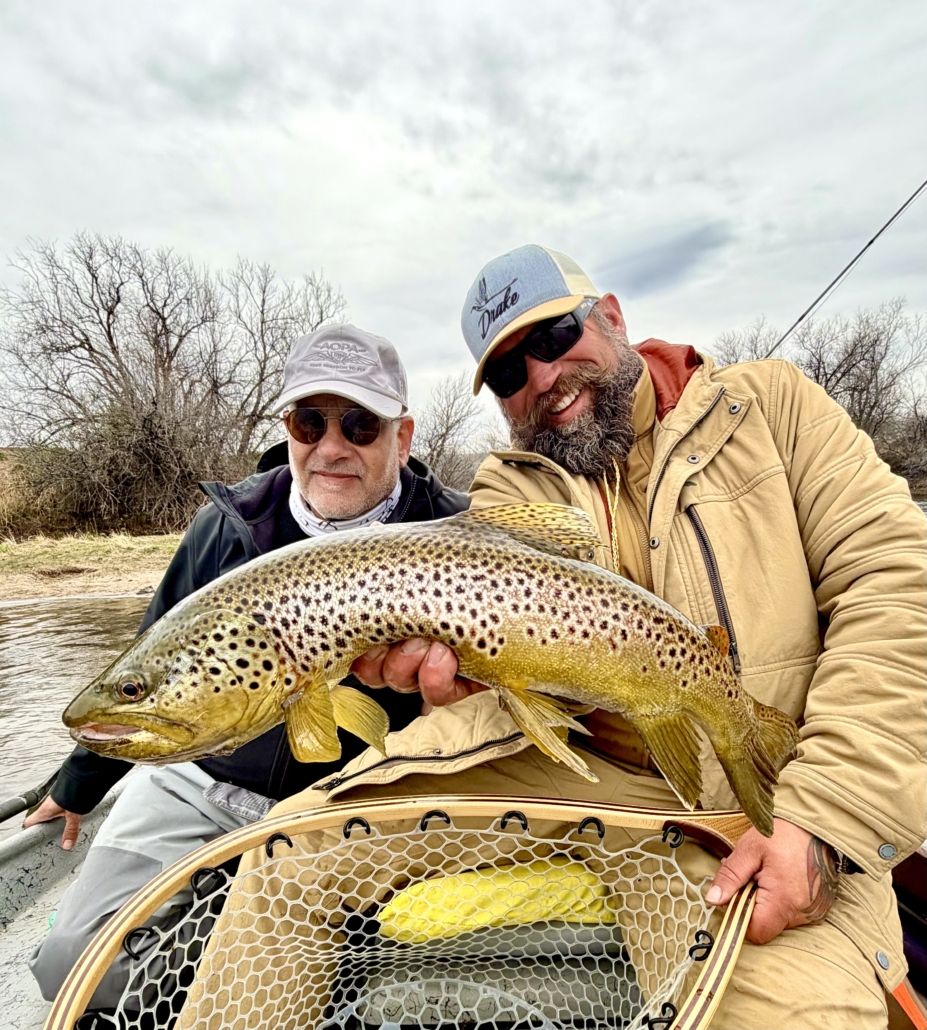
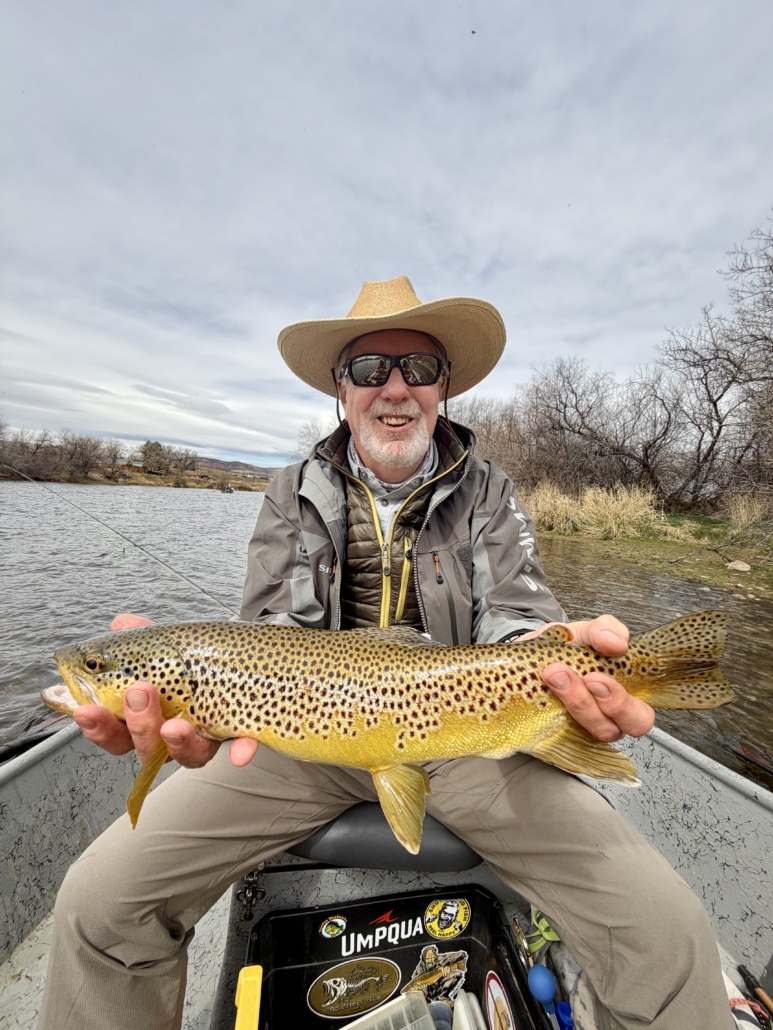
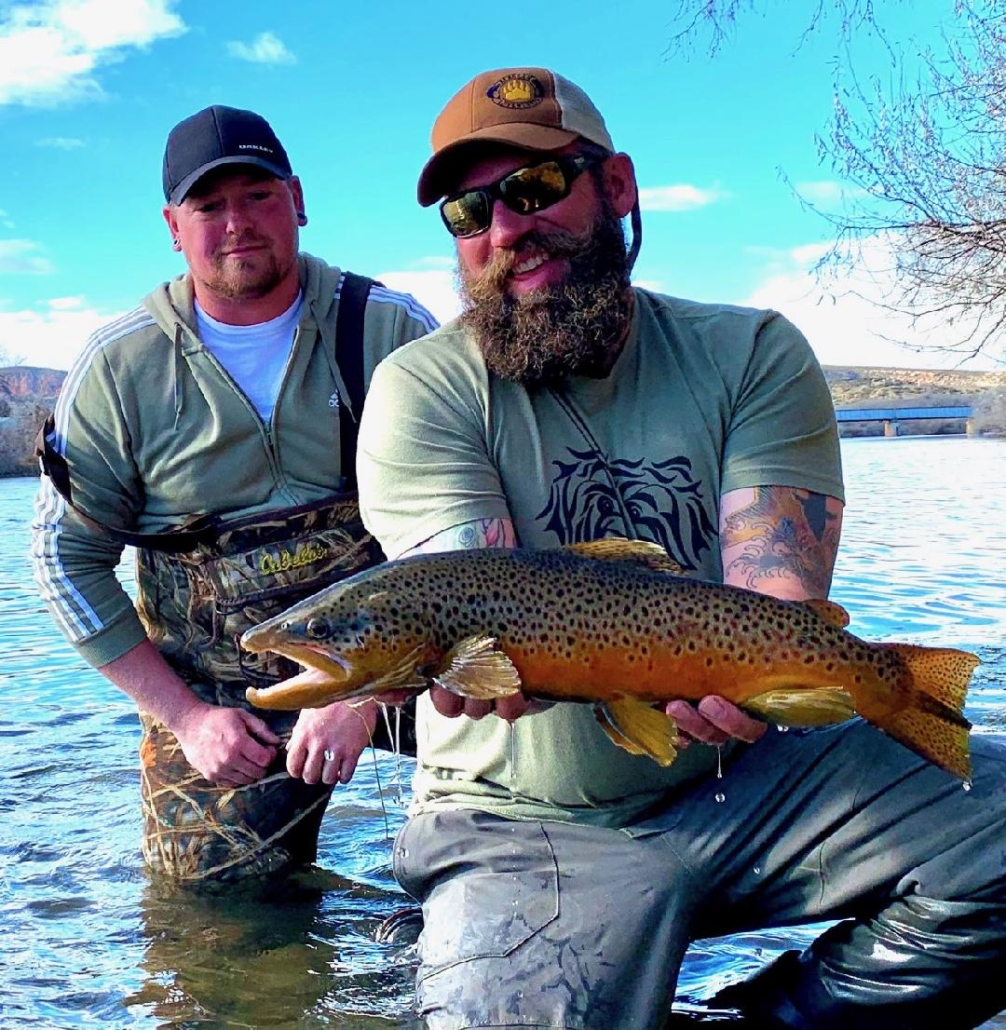
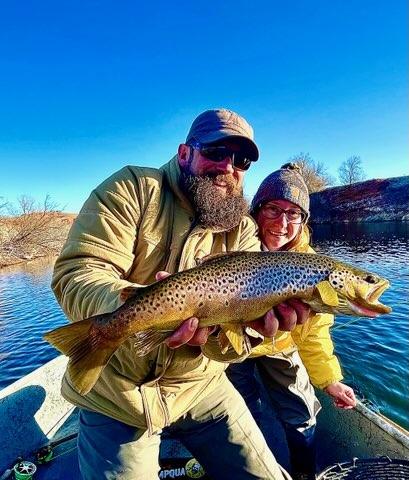
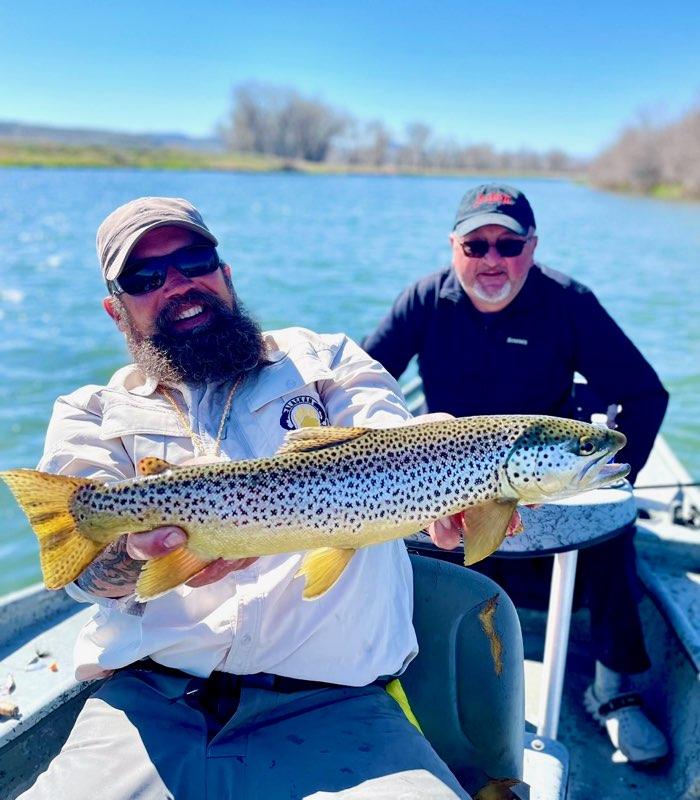
  • Brown Trout: Often found near structure and undercut banks, browns reach impressive size and are aggressive in the fall.

  • Cutthroat Trout: Native to the region and found in select stretches, offering a unique Wyoming fly fishing experience.

With its consistent hatches, beautiful canyon scenery, and incredible year-round accessibility, fly fishing Thermopolis and the Bighorn River is an unforgettable experience for anglers of all skill levels. Whether you’re casting dries in the canyon or drifting nymphs below Boysen Dam, The Drake Lodge provides the perfect base for your next Wyoming fly fishing adventure.

WHAT TO BRING

All guests should plan to bring:

Personal sunscreen

Rain gear

Sunglasses

Brimmed hat

Appropriate weather gear

Camera

THE BIGHORN RIVER

The Bighorn River is a tributary of the Yellowstone, approximately 461 miles (742 km) long, in the states of Wyoming and Montana in the western United States. The river was named in 1805 by fur trader François Larocque for the bighorn sheep he saw along its banks as he explored the Yellowstone.

The upper reaches of the Bighorn, south of the Owl Creek Mountains in Wyoming, are known as the Wind River. The two rivers are sometimes referred to as the Wind/Bighorn. The Wind River officially becomes the Bighorn River at the Wedding of the Waters, on the north side of the Wind River Canyon near the town of Thermopolis. From there, the river flows through the Bighorn Basin in north central Wyoming, passing through Thermopolis and Hot Springs State Park.

At the border with Montana, the river turns northeast, and flows past the north end of the Bighorn Mountains, through the Crow Indian Reservation, where the Yellowtail Dam forms the Bighorn Lake reservoir. The reservoir and the surrounding canyon are part of the Bighorn Canyon National Recreation Area.

The Little Bighorn River joins the Bighorn near the town of Hardin, Montana. Approximately 50 miles (80 km) farther downriver, the Bighorn River ends where it joins the Yellowstone.

CONTACT

1 + 4 = ?

© Copyright -Drake Guide Service
G-4RN0RY5W0Y